Disodium Dihydrogen Pyrophosphate
Disodium Dihydrogen Pyrophosphate, also known as Sodium Acid Pyrophosphate, SAPP or E450(i), is a food grade phosphate widely used in bakery, baking powder, chemical leavening systems, processed foods, instant noodles, potato products and selected food processing applications.
In bakery applications, SAPP works as a leavening acid. It reacts with sodium bicarbonate to release carbon dioxide, helping dough or batter rise and creating a light texture in cakes, biscuits, pancakes, waffles, quick breads and bakery premixes.
GJ Phosphate supplies food grade Disodium Dihydrogen Pyrophosphate / SAPP for food manufacturers, bakery ingredient distributors, baking powder producers, importers and wholesalers. We can provide specifications, COA/MSDS, sample support, export packaging and quotation according to your application requirements.
- Food grade Disodium Dihydrogen Pyrophosphate / SAPP / E450(i) supply
- Suitable for bakery, baking powder, chemical leavening systems and food processing
- Supports controlled leavening reaction, pH control, texture improvement and product stability
- COA, MSDS, specification sheet and export documents available upon request
- Quotation support for food manufacturers, importers and distributors
Request SAPP COA/MSDS & Quotation
Disodium Dihydrogen Pyrophosphate Basic Information
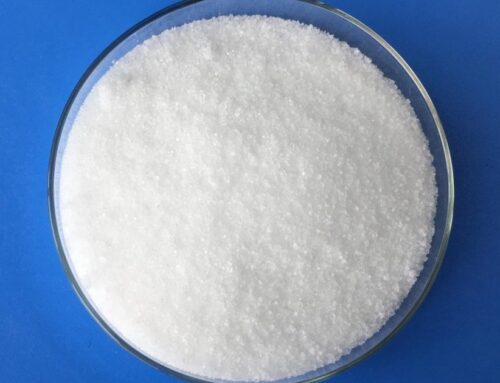
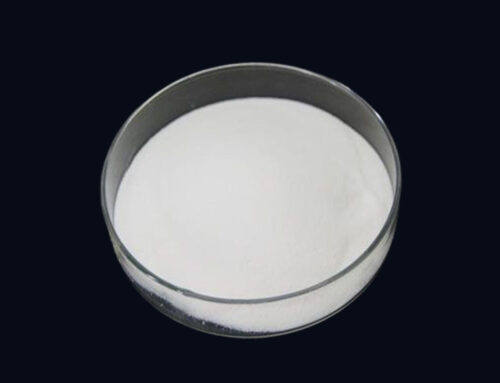
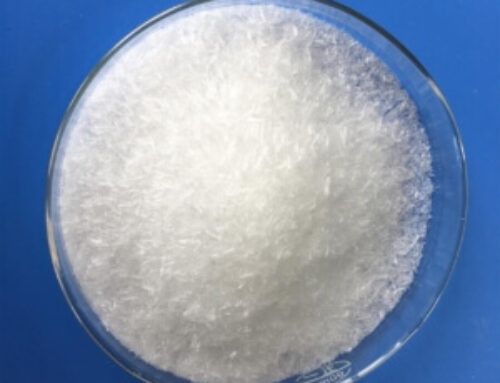
Disodium Dihydrogen Pyrophosphate is a phosphate ingredient with the chemical formula Na2H2P2O7. It is commonly supplied as white powder or granules and is soluble in water.
| Product Name | Disodium Dihydrogen Pyrophosphate |
| Common Names | Sodium Acid Pyrophosphate, SAPP, Disodium Pyrophosphate |
| Food Additive Code | E450(i) |
| Chemical Formula | Na2H2P2O7 |
| Molecular Weight | 221.95 |
| CAS Number | 7758-16-9 |
| EINECS Number | 231-835-0 |
| Appearance | White powder or granular powder |
| Typical Application | Bakery, baking powder, leavening systems, instant noodles, processed foods and food processing |
Disodium Dihydrogen Pyrophosphate Specification
The following table shows the specification reference for Disodium Dihydrogen Pyrophosphate. For food grade purchasing, buyers should confirm assay, pH value, water insoluble matter, heavy metals, fluoride, arsenic, particle size, packaging and available documents before placing an order.
| Index | Specification |
|---|---|
| Assay(as Na2H2P2O7) | 95%min. |
| P2O5 | 63.0-64.5% |
| PH value (1% water solution) | 3.7-5.0 |
| Water insoluble matter | 0.5%max. |
| Fluoride (as F) | 0.001%max. |
| Heavy metals (as Pb) | 0.001%max. |
| Arsenic (as As) | 0.0001%max. |
| Cadmium (as Cd) | 0.0001%max. |
| Lead (as Pb) | 0.0001%max. |
| Mercury (as Hg) | 0.0001%max. |
| Loss on drying | 0.5%max. |
Available SAPP Types
Different SAPP types may have different reaction rates and application performance. The suitable type should be selected according to the final product, processing conditions and required leavening behavior.
| Product | Function | Application |
|---|---|---|
| SAPP-40 | Fast acting | Bread.biscuitscakes, muffins,scones,gingerbread,waffles |
| SAPP-28 | Middle acting | Biscuits, cakes, muffins, scones, waffles, pancakesgingerbread, self baking powder |
| SAPP-20 | Slow acting | Biscuits, pizza, self baking powder |
| SAPP-15 | Slow acting | Bread, biscuits, cakes, muffins, scones, gingerbread, self-baking powder |
| SAPP-10 | Slow acting | Bread,cookies,gingerbread,pancakes, frozen dough, self-baking powder |
What Is Disodium Dihydrogen Pyrophosphate Used For?
Disodium Dihydrogen Pyrophosphate is used in food and industrial applications because it can function as a leavening acid, pH regulator, texture modifier, chelating agent and processing aid depending on the application.
1. Bakery and Baking Powder
Bakery is one of the most important application areas for food grade SAPP. In baking powder systems, SAPP reacts with sodium bicarbonate to release carbon dioxide. This gas helps dough or batter rise during baking.
SAPP can help improve:
- Product volume
- Light and fluffy texture
- Crumb structure
- Baking consistency
- Controlled leavening reaction
- Processing performance in bakery premixes
Common bakery applications include cakes, biscuits, pancakes, waffles, muffins, quick breads, doughnuts and commercial baking powder systems.
For more application details, read our guide: Chemical Leavening Agents for Baking.
2. Food Processing
In processed foods, SAPP may be used for pH control, texture support and product stability. It can help improve processing performance and maintain product quality depending on the formulation.
3. Instant Noodles and Pasta Products
In instant noodles and selected pasta products, SAPP may help improve texture, reduce stickiness and support better rehydration performance. The final suitability depends on the formula and local food regulations.
4. Potato Products
SAPP may be used in processed potato products to support color, texture and appearance stability. It can be applied in selected potato systems according to the finished product requirements and permitted use.
5. Selected Meat and Processed Food Applications
In some processed food systems, SAPP may be used for pH control or functional support. For stronger water retention in meat and seafood processing, other phosphates such as STPP or E452 polyphosphates may also be considered according to the application.
SAPP / E450(i) in Chemical Leavening Systems
SAPP is one of the key phosphate leavening ingredients used in chemical leavening systems. It is commonly used with sodium bicarbonate in baking powder formulations.
In industrial bakery production, the reaction rate of SAPP is important. Different SAPP grades can influence gas release timing, batter stability, baking volume and final texture.
When choosing SAPP for chemical leavening, buyers should consider:
- Reaction rate
- pH value
- Particle size
- Application type
- Mixing and baking conditions
- Compatibility with sodium bicarbonate
- Finished product texture requirement
For a broader explanation of leavening systems, read: Types of Leavening Agents in Baking.
SAPP and E450(i): What Is the Relationship?
SAPP is classified as E450(i) in the food additive system. E450 refers to a group of diphosphates, while E450(i) specifically refers to disodium diphosphate or sodium acid pyrophosphate.
E450 ingredients are used in food processing for different functions, including leavening support, pH control, emulsification support, texture improvement and stabilization.
For more details about E450 types and applications, read: Emulsifier E450 Food Grade Diphosphates.
How to Choose Food Grade SAPP
When purchasing Disodium Dihydrogen Pyrophosphate for food applications, buyers should confirm both technical and compliance requirements.
Important selection factors include:
- Food grade compliance
- Application: baking powder, bakery, instant noodles, potato products or processed foods
- Required reaction rate
- pH value
- Particle size or granulation requirement
- Assay and phosphate content
- Solubility
- Heavy metal limits
- Fluoride and arsenic limits
- COA and MSDS availability
- Packaging and shelf life
- Destination market regulations
GJ Phosphate can help confirm the suitable SAPP grade according to your bakery formula, baking powder system, food processing application and target market.
Documents Available for SAPP Buyers
For food manufacturers, importers and distributors, product documents are important before purchase confirmation. GJ Phosphate can support common quality and export documents.
- Certificate of Analysis, COA
- Material Safety Data Sheet, MSDS
- Technical Data Sheet or specification sheet
- Food grade declaration
- Packing information
- Commercial invoice and packing list for shipment
Packing, Storage and Shelf Life
Packing: Standard packing is 25kg PP+PE bags. Customized export packaging can be discussed according to order requirements.
Storage: Store in a cool, dry and well-ventilated place. Keep the product sealed and avoid moisture.
Shelf life: Please confirm according to product specification and storage conditions.
Related Applications & Guides
- Sodium Acid Pyrophosphate in Food – learn how SAPP / E450(i) is used in bakery, food processing and leavening systems.
- Chemical Leavening Agents for Baking – compare SAPP, MCP and SALP in baking powder and bakery applications.
- Emulsifier E450 Food Grade Diphosphates – understand E450 types, functions and food applications.
- Types of Leavening Agents in Baking – learn the difference between biological, chemical and physical leavening agents.
FAQ About Disodium Dihydrogen Pyrophosphate
Is Disodium Dihydrogen Pyrophosphate the same as SAPP?
Yes. Disodium Dihydrogen Pyrophosphate is commonly known as Sodium Acid Pyrophosphate or SAPP. In food additive systems, it is also known as E450(i).
What is SAPP used for in baking?
SAPP is used as a leavening acid in baking powder and bakery systems. It reacts with sodium bicarbonate to release carbon dioxide and helps baked goods rise.
Is SAPP the same as E450(i)?
Yes. SAPP is commonly identified as E450(i), which belongs to the E450 diphosphate group.
Can SAPP be used in baking powder?
Yes. SAPP is widely used in baking powder systems because it can provide controlled leavening reaction and support product volume, texture and crumb structure.
What documents are available for food grade SAPP?
Common documents include COA, MSDS, specification sheet, food grade declaration, packing information and export documents depending on the order and destination market.
Can GJ Phosphate supply food grade Disodium Dihydrogen Pyrophosphate?
Yes. GJ Phosphate can supply food grade Disodium Dihydrogen Pyrophosphate / SAPP / E450(i) for bakery, baking powder, leavening systems and food processing applications. Specifications, COA/MSDS, sample support and quotation are available upon request.
Request Disodium Dihydrogen Pyrophosphate Quotation
Need food grade Disodium Dihydrogen Pyrophosphate / SAPP / E450(i) for bakery, baking powder or food processing?
Contact GJ Phosphate to get product specifications, COA/MSDS, sample support and quotation.