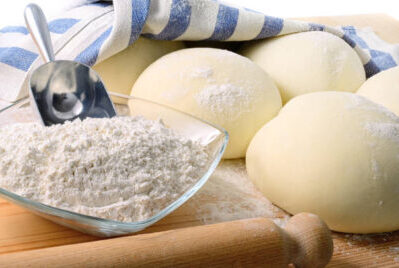
 Chemical leavening agents are ingredients used in baking to produce carbon dioxide gas. This gas helps dough or batter rise and creates the light, airy texture found in cakes, biscuits, muffins, pancakes, waffles, quick breads and other bakery products.
Unlike yeast, chemical leavening agents do not require fermentation. They work through acid-base reactions, usually between sodium bicarbonate and an acid source such as Monocalcium Phosphate (MCP), Sodium Acid Pyrophosphate (SAPP), Sodium Aluminum Phosphate (SALP) or other food grade leavening acids.
GJ Phosphate supplies food grade phosphate leavening ingredients for bakery manufacturers, premix producers, importers and distributors. We can provide specifications, COA/MSDS, sample support, export packaging and quotation according to your baking application requirements.
- Food grade chemical leavening phosphate supply
- Available products include SAPP, MCP, SALP and related phosphate ingredients
- Suitable for baking powder, cake mixes, biscuits, pancakes, waffles and bakery premixes
- COA, MSDS, specification sheet and export documents available upon request
- Quotation support for bakery manufacturers, importers and distributors
Request Leavening Agent COA/MSDS & Quotation
What Are Chemical Leavening Agents?
Chemical leavening agents are ingredients or ingredient systems that release carbon dioxide during mixing, resting or baking. The released gas expands inside the dough or batter and helps the product rise.
In most bakery formulas, chemical leavening depends on two main components:
- An alkaline component: usually baking soda, also known as sodium bicarbonate.
- An acid component: such as SAPP, MCP, SALP or other food grade acidulants.
When moisture and heat are present, the acid and base react to release carbon dioxide. This reaction helps improve product volume, crumb structure, softness and eating quality.
For a broader comparison of biological, chemical and physical leavening systems, you can read our guide: Types of Leavening Agents in Baking.
What Are the Two Most Common Chemical Leavening Agents?
1. Baking Powder
Baking powder is a complete chemical leavening system. It usually contains baking soda, one or more acidulants and a moisture control ingredient such as starch.
Food grade phosphates such as Sodium Acid Pyrophosphate SAPP, Monocalcium Phosphate and Sodium Aluminum Phosphate may be used as acid components in baking powder systems.
When baking powder is mixed with liquid and exposed to heat, the acid and base react to release carbon dioxide. This helps cakes, muffins, biscuits, pancakes and quick breads rise with consistent volume and texture.
2. Baking Soda
Baking soda, also known as sodium bicarbonate, is an alkaline ingredient. It needs an acid source to release carbon dioxide effectively.
In home recipes, the acid may come from buttermilk, vinegar, lemon juice or yogurt. In industrial bakery formulations, food grade phosphate acids such as SAPP, MCP or SALP are often used to provide more controlled leavening performance.
Why Are Phosphates Added to Baking Powder?
Phosphates are added to baking powder because they help control the leavening reaction. Different phosphate leavening agents have different reaction speeds, pH effects and baking performance.
For bakery manufacturers, choosing the right phosphate is important because it can affect:
- Gas release speed
- Dough or batter stability
- Baking volume
- Crumb structure
- Texture and softness
- Color and browning
- Shelf-life performance
- Final product consistency
Below are three commonly used phosphate leavening ingredients: MCP, SAPP and SALP.
Monocalcium Phosphate MCP
Monocalcium Phosphate, also known as MCP, is a food grade phosphate commonly used as a fast-acting leavening acid in baking powder and bakery formulas.
| Chemical formula | Ca(H2PO4)2 |
| E-code | E341(i) |
| CAS No. | 7758-23-8 |
| HS Code | 28352600 |
| Synonyms | Calcium Dihydrogen Phosphate,Calcium Dihydrogen Orthophosphate |
| Molar mass | 234.05 g/mol |
| Appearance | White crystalline powder |
| Solubility | Soluble in water (21 g/100 mL at 25°C) |
| Density | 2.22 g/cm³ |
| Melting point | 109°C (228°F) |
| pH(1% solution) | 3.5 - 4.5 |
Functions of MCP in Baking
- Fast leavening reaction: MCP reacts quickly with sodium bicarbonate when moisture is present.
- Volume improvement: It helps produce carbon dioxide and supports product rise.
- pH control: MCP can help maintain suitable acidity in dough or batter.
- Texture support: It can help improve softness and crumb structure in baked goods.
MCP is commonly used in pancakes, biscuits, cakes, baking powder systems and bakery premixes where fast gas release is required.
Sodium Acid Pyrophosphate SAPP
Sodium Acid Pyrophosphate, also known as SAPP or E450(i), is one of the most important phosphate leavening acids used in bakery applications.
| Chemical formula | Na2H2P2O7 |
| E-code | E450(i) |
| CAS No. | 7758-16-9 |
| HS Code | 28353900 |
| Synonyms | Disodium Dihydrogen Pyrophosphate, Disodium Pyrophosphate |
| Molar mass | 221.94 g/mol |
| Appearance | White crystalline powder |
| Solubility | Soluble in water (14.5 g/100 mL at 25°C) |
| Density | 1.86 g/cm³ |
| Melting poin | Decomposes around 220°C (428°F) |
| pH (1% solution | 3.0 - 4.5 |
Functions of SAPP in Baking
- Controlled gas release: SAPP can provide controlled carbon dioxide release depending on the grade and reaction rate.
- Texture improvement: It helps support crumb structure, volume and softness.
- pH regulation: SAPP helps adjust pH in bakery systems.
- Bakery premix stability: It can be used in dry mixes where consistent leavening performance is required.
SAPP is widely used in cakes, muffins, biscuits, pancakes, waffles, quick breads, doughnuts and bakery premixes.
For more details about SAPP food applications, read: Sodium Acid Pyrophosphate in Food.
Sodium Aluminum Phosphate SALP
Sodium Aluminum Phosphate, also known as SALP, is a phosphate leavening ingredient used in selected baking powder and bakery applications.
| Chemical formula | Na3Al(PO4)2 |
| E-code | E541 |
| CAS No. | 7785-88-8 |
| HS Code | 28352990 |
| Synonyms | Sodium Aluminium Orthophosphate |
| Molar mass | 317.94 g/mol |
| Appearance | White crystalline powder |
| Solubility | Soluble in water |
| Density | 2.54 g/cm³ |
| Melting point | Decomposes above 200°C (392°F) |
| pH (1% solution) | Varies depending on the concentration and pH of the solution |
Functions of SALP in Baking
- Double-acting leavening support: SALP can release gas during baking and support product volume.
- Texture and crumb improvement: It helps create light texture and stable crumb structure.
- Browning support: It may influence color development depending on the formula.
- Bakery stability: It can support consistent performance in selected bakery systems.
SALP may be used in cakes, muffins, biscuits, bakery mixes and other applications where controlled leavening performance is required.
Because aluminum-containing food additives may face different requirements or restrictions in different countries, buyers should confirm local regulations and labeling requirements before selecting SALP.
SAPP vs MCP vs SALP: How to Choose
MCP, SAPP and SALP can all be used in chemical leavening systems, but they are not the same. The right choice depends on the desired reaction speed, product type, processing method and market regulations.
| Ingredient | Main Feature | Typical Applications |
|---|---|---|
| MCP | Fast-acting leavening acid | Pancakes, biscuits, cakes, baking powder and premixes |
| SAPP | Controlled leavening acid, available in different reaction profiles | Cakes, muffins, quick breads, doughnuts, biscuits and bakery premixes |
| SALP | Double-acting leavening support for selected bakery systems | Cakes, muffins, biscuits and commercial baking powders |
Many bakery manufacturers use more than one leavening acid to balance gas release during mixing, resting and baking. The final selection should be confirmed by formula testing.
What Are Chemical Leavening Agents Best Used For?
Chemical leavening agents are best used in bakery products that require fast, predictable and consistent rising without yeast fermentation.
Cakes and Muffins
Cakes and muffins require reliable volume, soft crumb and stable texture. Phosphate leavening agents can help control rise and improve product consistency.
Biscuits and Cookies
In biscuits and cookies, chemical leavening agents help improve spread, bite, texture and eating quality. SAPP and MCP may be selected depending on the required reaction speed.
Pancakes and Waffles
Pancake and waffle mixes often use chemical leavening systems because they require quick gas release and good batter performance.
Quick Breads
Quick breads do not rely on yeast fermentation. Baking powder systems with phosphate leavening acids can help create volume and softness.
Bakery Premixes
For industrial bakery premixes, chemical leavening agents help maintain consistent leavening performance, easy handling and repeatable product quality.
Reduced Sodium Bakery Products
Some phosphate leavening systems may be considered in reduced sodium product development, depending on the full formulation and regulatory requirements.
How to Choose Chemical Leavening Agents for Industrial Baking
When selecting chemical leavening agents for industrial baking, manufacturers should consider both formulation performance and compliance requirements.
Important selection factors include:
- Product type: cake, biscuit, pancake, waffle, quick bread or premix
- Required reaction speed
- Target volume and crumb structure
- pH value and flavor impact
- Compatibility with sodium bicarbonate
- Processing conditions
- Particle size and blending performance
- Local food additive regulations
- COA, MSDS and specification availability
- Packaging and storage conditions
GJ Phosphate can help buyers compare SAPP, MCP, SALP and related phosphate ingredients according to bakery application, formula requirement and destination market.
Related Product Pages
- Sodium Acid Pyrophosphate SAPP – food grade SAPP / E450(i) for bakery, leavening systems and food processing.
- Monocalcium Phosphate MCP – food grade MCP for baking powder and fast-acting leavening systems.
- Sodium Aluminum Phosphate SALP – phosphate leavening ingredient for selected bakery applications.
Related Applications & Guides
- Types of Leavening Agents in Baking – learn the differences between biological, chemical and physical leavening agents.
- Sodium Acid Pyrophosphate in Food – understand SAPP applications in bakery, leavening systems and processed foods.
- Emulsifier E450 Food Grade Diphosphates – learn E450 types including SAPP / E450(i) and other diphosphates.
FAQ About Chemical Leavening Agents
What are chemical leavening agents?
Chemical leavening agents are ingredients that release carbon dioxide through chemical reactions. The gas helps dough or batter rise and gives baked products a light texture.
What are the most common chemical leavening agents?
The most common chemical leavening agents are baking powder and baking soda. In industrial baking, phosphate acidulants such as SAPP, MCP and SALP are often used in baking powder systems.
Why is SAPP used in baking powder?
SAPP is used as a leavening acid. It reacts with sodium bicarbonate to release carbon dioxide and helps control gas release, product volume, crumb structure and texture.
What is the difference between SAPP and MCP?
MCP is generally a fast-acting leavening acid, while SAPP can provide more controlled reaction performance depending on the grade. The right choice depends on the bakery product and processing method.
Can SALP be used in all markets?
SALP is used in selected bakery applications, but aluminum-containing additives may have different requirements or restrictions in different countries. Buyers should confirm local food regulations before use.
What documents are available for phosphate leavening agents?
Common documents include COA, MSDS, specification sheet, food grade declaration, packing information and export documents depending on the product and destination market.
Can GJ Phosphate supply food grade chemical leavening agents?
Yes. GJ Phosphate can supply food grade phosphate leavening ingredients such as SAPP, MCP and SALP for bakery and food processing applications. Specifications, COA/MSDS, sample support and quotation are available upon request.
Request Chemical Leavening Agent Quotation
Need food grade SAPP, MCP, SALP or related phosphate leavening agents for bakery applications?
Contact GJ Phosphate to get product specifications, COA/MSDS, sample support and quotation.