
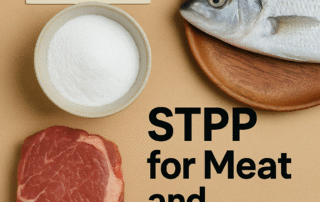
STPP for Meat and Seafood: Buyer’s Processing Guide
Sodium tripolyphosphate (STPP, E451(i)) is one of the most powerful functional phosphates in modern food processing.But “STPP” is not a single uniform product: meat plants and seafood factories often need different bulk densities, dissolution speeds and performance profiles. If buyers [...]
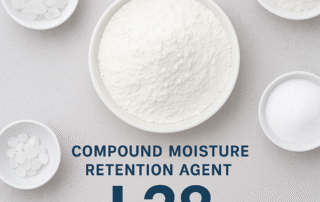
Phosphate-Free Seafood Additive: Buyer’s Technical Guide
Phosphate-free seafood additive solutions are increasingly required in premium export markets, even though traditional phosphate systems remain the backbone of global seafood processing.For more than 40 years, phosphates have enhanced water retention, improved texture, increased yield, prevented thawing loss, and [...]
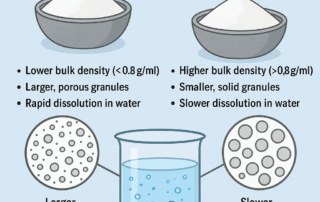
Fast Soluble STPP vs Normal Food Grade STPP: What Buyers Need to Know
On specification sheets, both products may simply be described as “Sodium Tripolyphosphate (STPP, E451(i))”. But in real food plants, fast soluble STPP and normal food grade STPP behave very differently – especially in cold-water brines and high-speed processing lines. This [...]
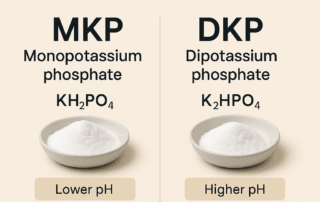
Monopotassium Phosphate vs Dipotassium Phosphate: Key Differences
Monopotassium phosphate (MKP, KH₂PO₄) and dipotassium phosphate (DKP, K₂HPO₄) are both potassium phosphate salts, but they are not interchangeable in most formulations. They differ mainly in pH behavior, buffering range, functional performance and suitable applications. MKP is acidic, while DKP [...]
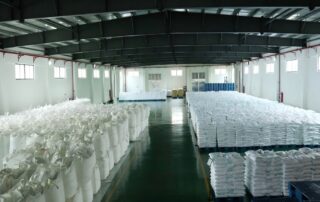
Monopotassium Phosphate Price Differences Explained
On paper, the quotation says “Monopotassium Phosphate, MKP, KH₂PO₄”. The product name is the same, the chemical formula is the same, and even the assay value looks similar across vendors. Yet one supplier’s price is dramatically lower than another’s. Is [...]
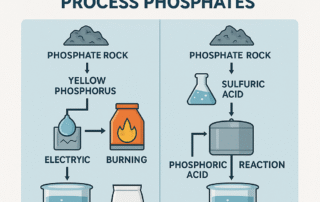
Why Do Phosphates with the Same Name Have Very Different Prices? Thermal Wet-Process Explained
Many purchasing managers are puzzled: the product name on two phosphate offers is identical, the specification looks similar, yet one price is 30–100% higher than the other. Is someone overcharging, or is the cheaper material “too good to be true”? [...]
